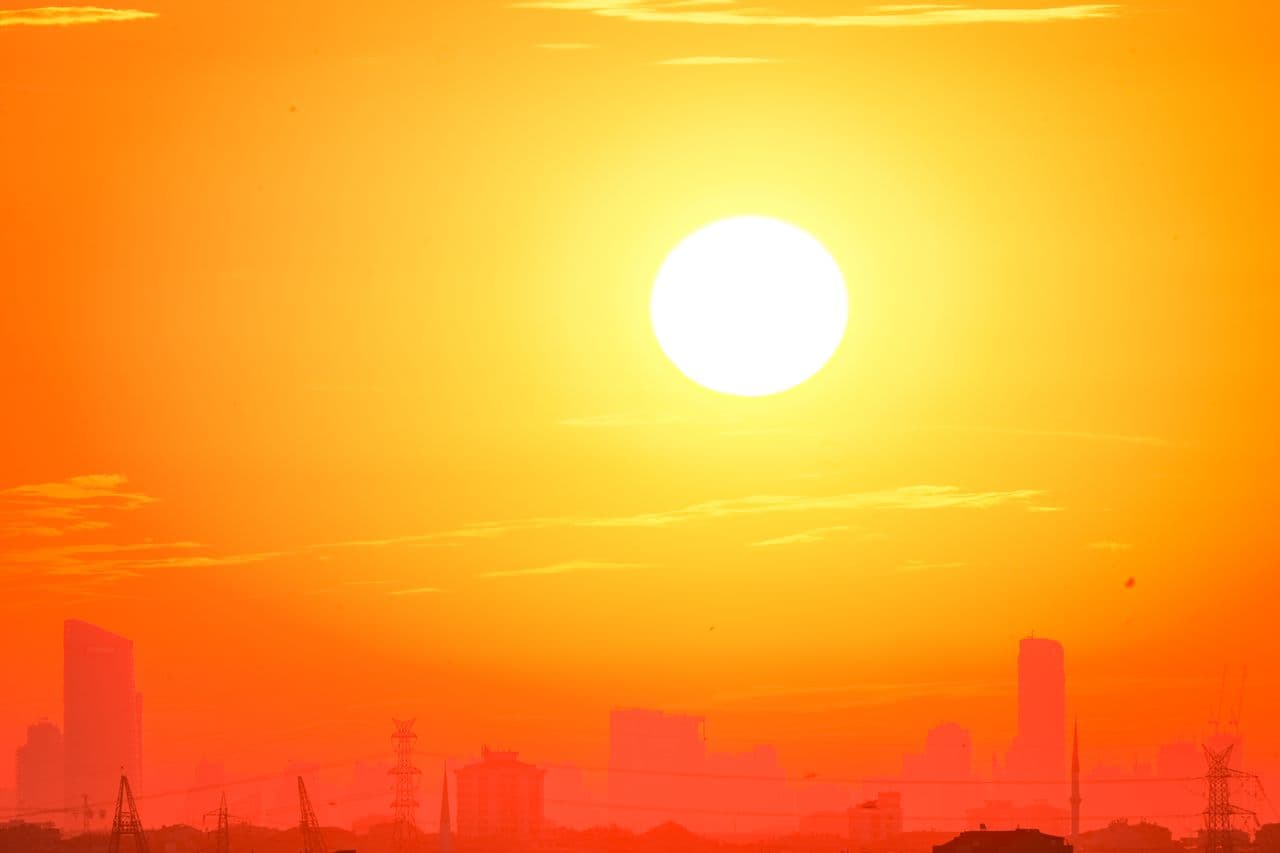
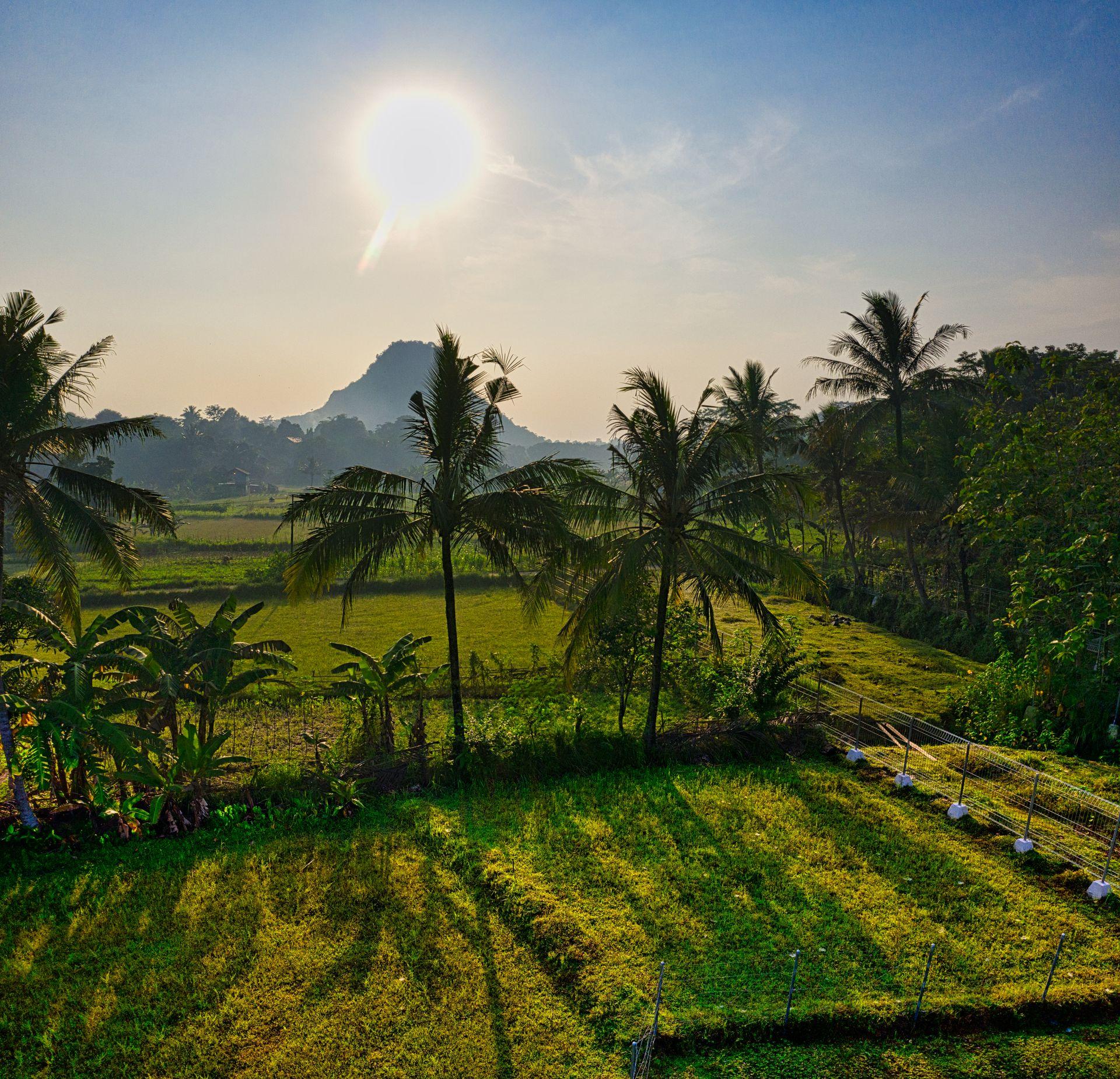
One of the most common questions international travellers ask before heading to Bali is about the weather. What is the average temperature? Is it hot all year round? When is the best time to visit? These are reasonable questions, particularly for those coming from countries with four distinct seasons who are not yet familiar with how a tropical climate actually behaves. Understanding Bali weather properly before you arrive makes the entire trip far more enjoyable, since you know exactly what to pack and when to schedule certain activities.
Bali has a tropical climate with average temperatures ranging between 26 and 33 degrees Celsius throughout the year. Unlike countries with four seasons, Bali does not experience dramatic temperature swings from month to month. What actually distinguishes one period from another is not temperature but rainfall. Bali has two main seasons: a dry season running from April to October, and a wet season running from November to March. Humidity tends to stay high year-round, typically between 75 and 85 percent, which is often why the air feels hotter than the actual number shown on a thermometer.
Understanding the Seasonal Patterns Behind Bali Weather
The dry season is the most sought-after period among international travellers, and for good reason. During these months, skies tend to be clear with minimal rainfall, humidity sits slightly lower than during the wet season, and sea conditions are generally calmer, making it ideal for activities like snorkelling, diving, and sailing. July and August mark the peak of both the dry season and the tourist season, so travellers hoping to avoid the busiest crowds should consider May, June, or September, which still offer reliably good weather with noticeably fewer visitors.
The wet season does not mean constant rainfall every single day. The typical pattern involves clear mornings followed by short but heavy downpours in the afternoon or evening, usually lasting one to two hours before clearing up again. Many travellers actually prefer this season, since accommodation prices drop, crowds thin out considerably, and natural scenery such as rice fields and waterfalls looks dramatically greener and more dramatic than during the dry months.
Something important for foreign visitors to understand is that Bali weather does not shift much between day and night compared to countries with four seasons. Evenings in coastal areas like Kuta, Seminyak, and Canggu remain warm, while in the highlands such as Ubud and Kintamani, nighttime temperatures can feel noticeably cooler and more comfortable, sometimes calling for a light jacket.
How Foreigners Can Adapt and Enjoy Bali Weather
Travellers coming from countries with long winters often go through a fairly significant adjustment period upon arriving in Bali. A few simple habits can make that adaptation process far smoother.
Staying hydrated is the first thing to prioritise. The combination of high temperature and humidity causes the body to lose fluids faster than most people realise. Carrying a refillable water bottle and drinking regularly throughout the day, rather than only when feeling thirsty, makes a real difference in maintaining energy levels.
Scheduling activities around the daily temperature curve is another strategy used by experienced travellers. Outdoor activities such as trekking, temple visits, or exploring traditional markets are best done in the early morning before the heat peaks. Midday, when the sun is at its strongest, is the ideal time to swim, relax by a villa pool, or enjoy a traditional Balinese spa treatment in an air-conditioned room.
Choosing the right clothing also makes a noticeable difference. Breathable cotton and linen fabrics are far more comfortable than synthetic materials that trap heat and cause excessive sweating. A hat, sunglasses, and high-SPF sunscreen are items worth carrying everywhere, given how strong tropical sun intensity remains throughout the year.
Many foreigners also find comfort in following the daily rhythm of local Balinese life, starting activities earlier in the morning while the air is still cool, and slowing down around midday when conditions are at their hottest. This habit not only helps the body adjust more quickly but also offers a more authentic sense of how locals actually structure their days.
Enjoy Bali Weather with the Right Preparation
Understanding the nature of Bali weather before you travel is a small step that makes a meaningful difference to how comfortable your entire trip feels. With the right preparation, in clothing choices, activity scheduling, and daily habits, what initially feels like a challenging tropical climate for many foreign visitors can quickly become one of the most enjoyable parts of the holiday. Once the weather side is sorted, do not forget to make sure your travel documents are equally in order. The Visaloka team is ready to help you sort your Indonesian visa quickly and easily at visaloka.com, so you can focus entirely on enjoying every moment under the Bali sun without a single worry.