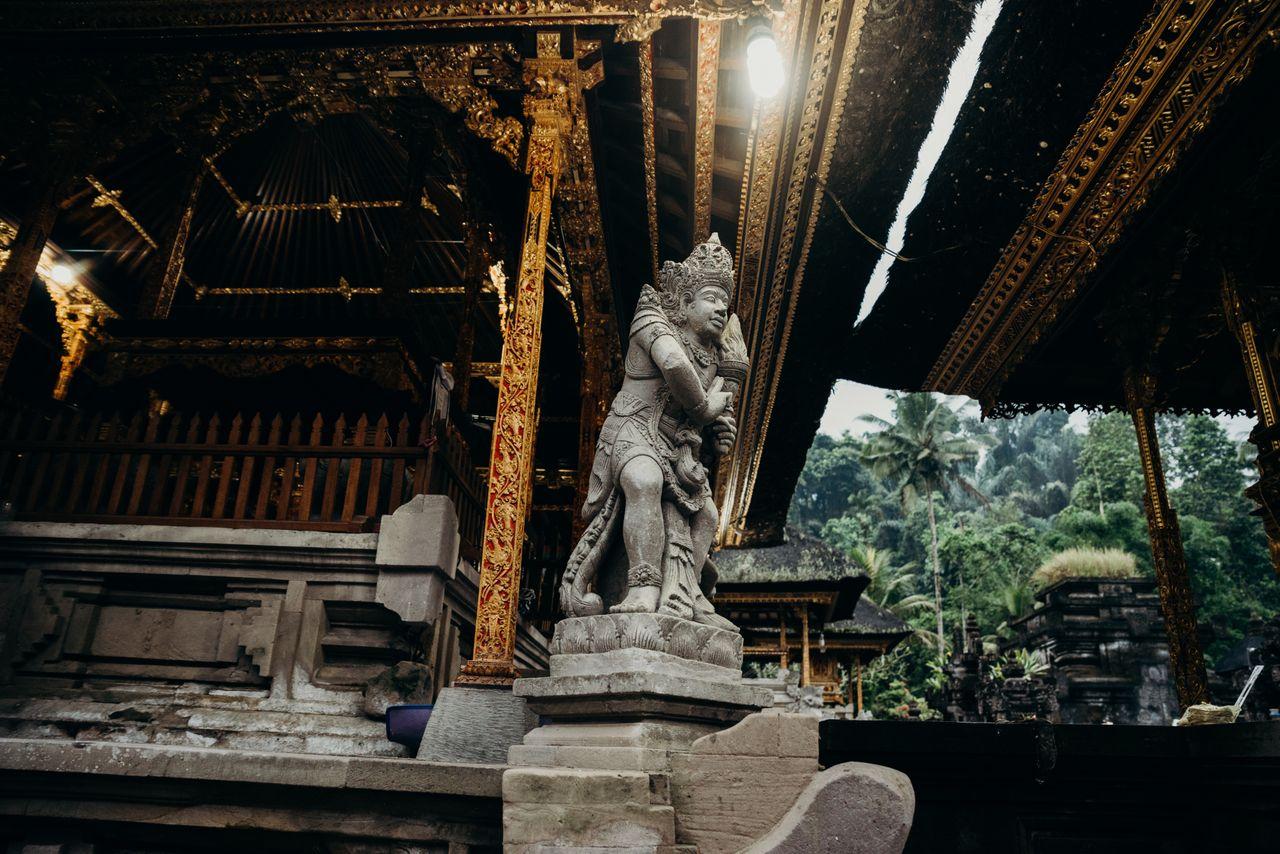
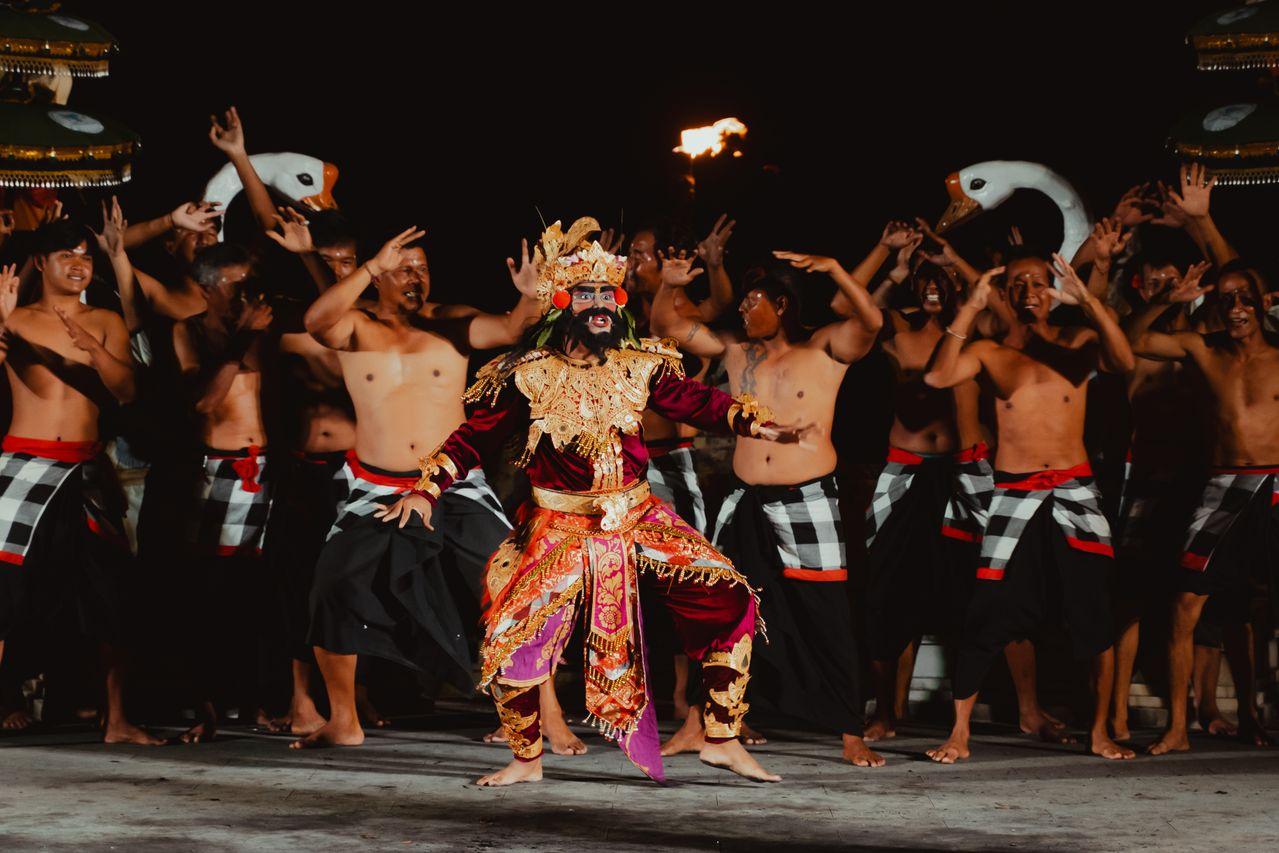
Picture hundreds of men seated in a wide circle under an open sky, their bodies swaying in unison, their voices filling the air with a relentless chanting of "cak cak cak", while at the centre of that circle an ancient epic unfolds through costumed dancers lit by the flickering light of torches. No musical instruments. No orchestra. Just the human voice and firelight, and that is more than enough to raise every hair on your arms. A Kecak dance performance is one of the most viscerally moving experiences available anywhere in Bali, and for many international visitors who have witnessed it, it becomes the single most unforgettable moment of their entire time in Indonesia.
Kecak is not a tourist attraction invented to entertain foreign audiences. Its roots run far deeper than that. The dance grew from a Balinese ritual tradition called Sanghyang, a spiritual practice in which performers enter a trance state to communicate with ancestral spirits and drive evil forces away from a village. The chanting vocal element that defines the art form originated in the chorus that accompanied those ceremonies, before German artist Walter Spies and Balinese dancer I Wayan Limbak developed it in the 1930s into a performance that combined those ritual elements with narrative drawn from the Hindu epic Ramayana.
The Story Behind Every Kecak Dance Performance
At the heart of almost every Kecak dance performance is a story from the Ramayana, one of the greatest epics in Hindu tradition and a foundational influence on much of Balinese art and belief. The most commonly performed episode is the abduction of Dewi Sita by Rahwana, the demon king of the Kingdom of Alengka, and the struggle of Rama and his forces to win her back.
No dialogue is spoken in a language accessible to most foreign audiences, but that turns out not to matter at all. The body language of the dancers, their deeply expressive faces, and the dynamic vocal energy from the hundreds of men in the outer circle communicate every emotion in the story without requiring a single understood word. Tension, grief, courage, and triumph are all fully present through movement and sound alone.
Hanoman, the white monkey emissary of Rama who becomes the most beloved character in the performance, is often the figure who commands the most attention from the audience. His movements are agile, expressive, and often genuinely funny, providing a welcome counterpoint to the more intense passages of the narrative. In some performances, the scene where Hanoman is set alight by Rahwana's forces becomes the most spectacular moment of the evening, involving real fire carried into the performance arena.
The Best Places to Watch a Kecak Dance Performance in Bali
Pura Luhur Uluwatu is the most iconic and most widely recommended location for watching a Kecak dance performance. The temple stands on a clifftop approximately 70 metres above the Indian Ocean, and performances here are always timed to coincide with sunset, making the setting sun a natural and dramatically powerful backdrop. The combination of torchlight, the silhouettes of dancers, an orange sky, and the sound of waves breaking on the cliffs far below creates a visual experience that is genuinely without equal.
Pura Dalem Taman Kaja in Ubud is also highly recommended, particularly for visitors staying in the Ubud area who want a version of the performance that feels more intimate and closer to its cultural roots. Garuda Wisnu Kencana Cultural Park in Jimbaran is another strong option, especially given its larger capacity and more modern facilities, making it well suited to group visitors.
Almost all Kecak dance performance shows in Bali run daily in the late afternoon approaching sunset, last around an hour, and are priced very accessibly. Arriving at least 30 minutes before the start is strongly recommended to secure a good viewing position, particularly at Uluwatu which fills quickly during peak holiday periods.
Watch the Kecak Dance Performance with Everything in Order
A Kecak dance performance is one of the clearest reminders that Bali is far more than a beach destination. It is an island with cultural depth that continues to reveal new layers the longer you stay and the more attentively you look. For foreign visitors who want to spend meaningful time exploring this richness, having travel documents sorted well in advance is a step that should not be left behind. The Visaloka team is ready to help arrange your Indonesian visa needs quickly and easily at visaloka.com, so your full attention can go where it belongs: on the fire, the chanting, and the story unfolding in front of you.