Lombok is often described as Bali without the crowds, a comparison that is not entirely fair because the island has its own identity that is far richer and more layered than simply being a quieter version of its more famous neighbour. Lombok tourist attractions did not emerge from nowhere. They grew from centuries of history, from the ancient Sasak civilisation that has called this island home for thousands of years, from the Balinese kingdoms that once extended their influence here, from the Dutch colonial period, and from the island's unique geographical position at the boundary between two entirely different ecological worlds. Understanding Lombok's history is the most direct way to understand why this island continues to draw visitors from across the globe in numbers that are becoming increasingly impossible to ignore.
The history of Lombok begins long before the island appeared on any international travel map. The Sasak people, Lombok's indigenous inhabitants, have lived on this island for millennia with traditions, a language, and a belief system that is distinctly their own and fundamentally different from the cultures of neighbouring islands. The majority of the Sasak community follows Islam, which arrived in Lombok around the sixteenth century, but in a way that blended uniquely with the animist and Hindu traditions that had existed long before, producing a spiritual practice known as Wetu Telu that can still be encountered in some traditional communities today.
The History That Shaped the Lombok of Today
During the seventeenth and eighteenth centuries, Balinese kingdoms began expanding their influence into Lombok, bringing with them Hindu-Balinese traditions that gradually merged with the existing Sasak culture. That influence remains clearly visible today, particularly in western Lombok where communities of Balinese descent are more concentrated. Hindu temples still stand at various points across the island, existing peacefully alongside the mosques that form the spiritual centre of Sasak community life.
The Dutch colonial period, which lasted until Indonesian independence in 1945, also left traces that shaped Lombok's social structure and infrastructure. Several older buildings from this period can still be found, particularly in Mataram, the capital city of West Nusa Tenggara province and the largest urban centre on the island.
These accumulated layers of history are what create the cultural distinctiveness of Lombok that no other island in Indonesia quite replicates. Traditional Sasak villages such as Sade and Ende in southern Lombok are the most concrete example of how centuries-old traditions are still maintained with genuine seriousness amid ongoing modernisation. Traditional Sasak house architecture, with its high alang-alang thatched roofs and floors coated in a mixture of clay and buffalo dung, a technique believed to repel insects, remains actively in use and stands as one of the most authentically compelling Lombok tourist attractions available.
The Lombok Tourist Attractions Drawing Visitors from Around the World
The rich historical and cultural heritage is only one layer of what makes Lombok increasingly visited by international travellers each year. The other layer is natural landscape that remains extraordinarily well preserved.
Mount Rinjani, Indonesia's second highest active volcano standing at 3,726 metres, is Lombok's natural crown and a world-class trekking destination. Its active crater holding Lake Segara Anak at over 2,000 metres of elevation is a sight that has very few rivals anywhere on earth. Thousands of climbers from dozens of countries arrive in Lombok every year specifically to trek Rinjani, and many of them then extend their visit to explore other parts of an island that turns out to be far richer than they had anticipated before arriving.
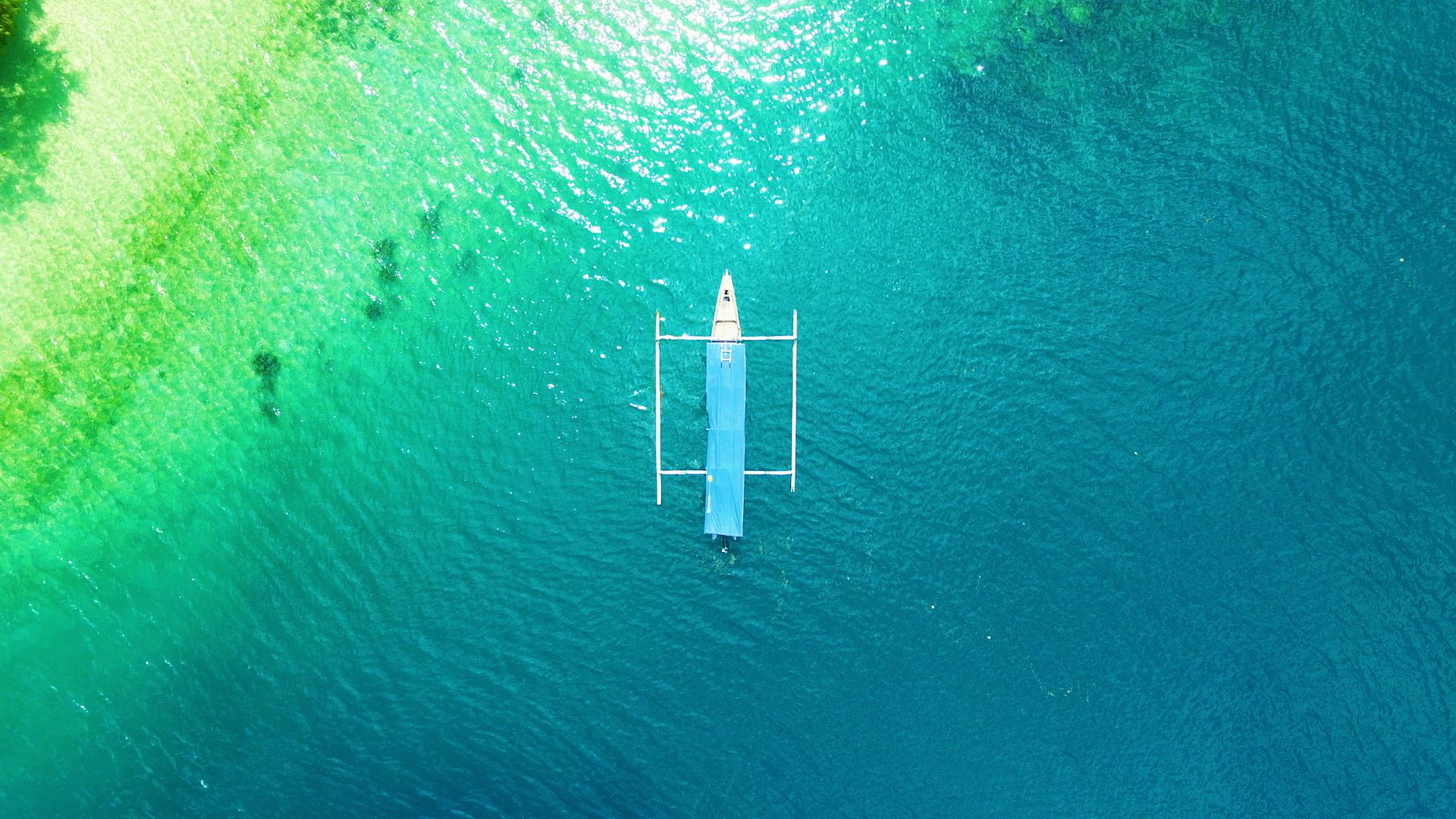
The Gili Islands, three small islands off Lombok's northwest coast comprising Gili Trawangan, Gili Air, and Gili Meno, are Lombok tourist attractions that have built their own global reputation. No motorised vehicles operate on any of the three islands, only horse-drawn cidomo carts and bicycles move along the sandy paths, creating an atmosphere entirely unlike most tourist destinations. The waters surrounding the Gilis are a snorkelling and diving paradise with remarkable visibility, exceptionally healthy coral reefs, and green sea turtle populations that can be encountered on almost every dive.
The beaches along Lombok's southern coast, from Kuta Lombok which shares its name but nothing else with Kuta in Bali, to Selong Belanak, Mawun, and Tanjung Aan with its unusual pepper-grain sand, offer coastlines that remain genuinely natural and far from the density that has begun to characterise many of Bali's most popular beaches. These are beaches that still give the impression of solitude, where you can stand at the water's edge and look in either direction without finding a crowd.
Lombok Is Ready, and So Should Your Visa Be
Lombok tourist attractions continue to grow in profile, and the island sits at exactly the right moment between still largely natural and beginning to be widely known. This is the best time to come, before it becomes too familiar. For international visitors planning to explore Lombok seriously, whether for the Rinjani trek, diving around the Gilis, or visiting the traditional Sasak villages, making sure the right visa is in place is a foundational step that deserves proper attention. The Visaloka team is ready to help you arrange all your Indonesian visa needs quickly and easily at visaloka.com, so your journey to Lombok can begin without anything standing in the way.