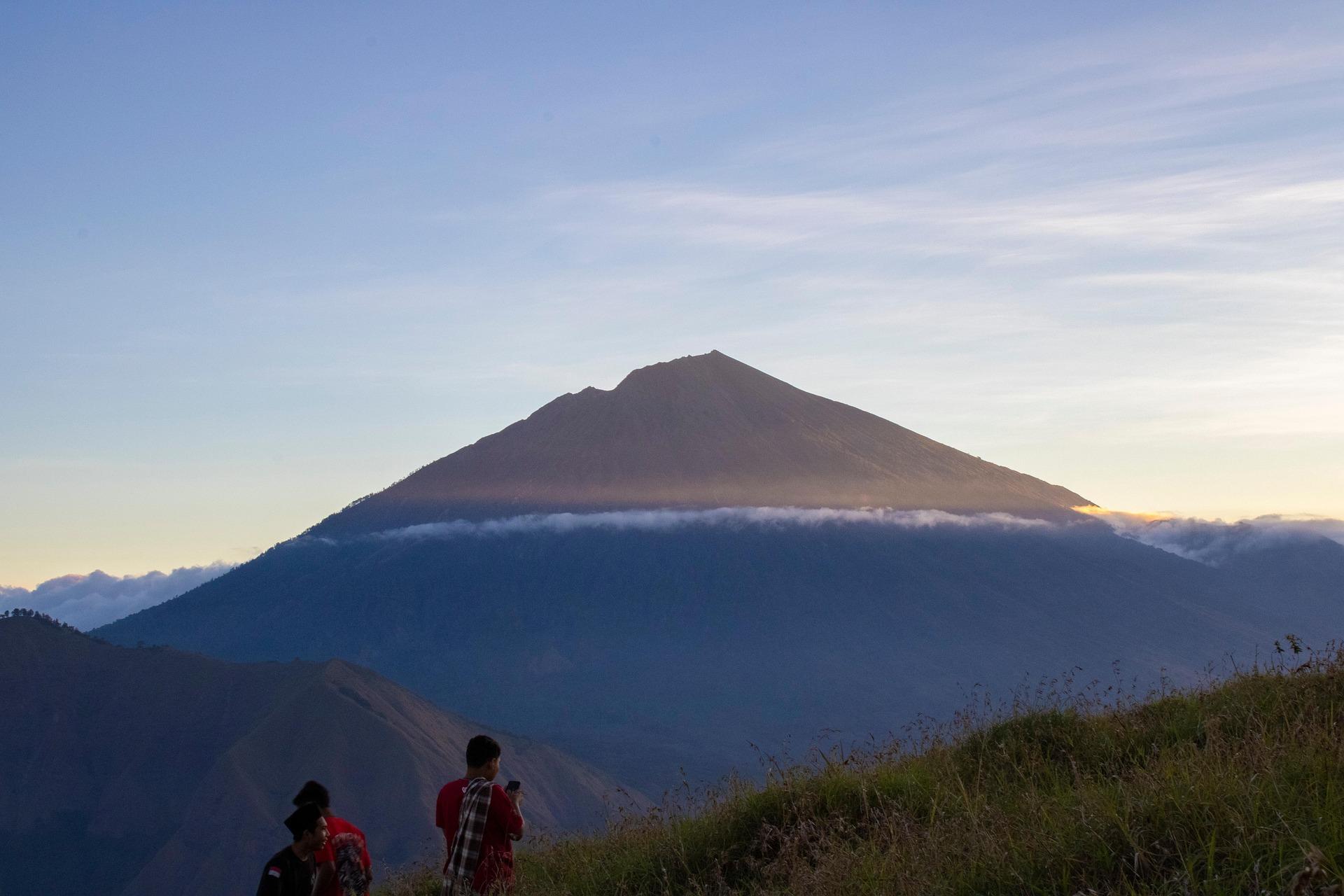
Very few mountains in the world offer a combination quite like this: an active volcanic crater, a turquoise caldera lake sitting at over 2,000 metres above sea level, sweeping savannah plains, and dense tropical forest, all within a single trekking route. This Mount Rinjani trekking guide exists because this mountain deserves more than a rushed search through travel forums. Every year, thousands of international visitors travel to Lombok specifically to take on Indonesia's second highest active volcano, and for those who come prepared, Rinjani delivers an experience that is genuinely difficult to find anywhere else on earth.
Gunung Rinjani stands at 3,726 metres above sea level within the Gunung Rinjani National Park on the island of Lombok in West Nusa Tenggara. The climb is not something to take lightly. The terrain varies enormously from dense rainforest to open rocky ridgelines, temperatures can drop dramatically after dark, and the full trek typically takes three to four days depending on the route and pace. Physical preparation and solid logistical planning are not optional extras here. But for those who arrive ready, Rinjani rewards every bit of effort with scenery and a sense of achievement that few mountains can match.
The Main Trekking Routes on Rinjani
There are three primary routes to choose from, each with its own character and level of challenge.
The Senaru route is the most popular among international trekkers and the most recommended starting point for those visiting Rinjani for the first time. It begins at Senaru Village on the northern side of Lombok, at an elevation of around 600 metres. The trail passes through thick tropical rainforest in the lower sections before opening up into rockier, more exposed terrain as you climb higher. The centrepiece of this route is the view of Lake Segara Anak from the caldera rim, a volcanic lake of striking turquoise green sitting within Rinjani's crater at 2,008 metres. The Senaru route has the best-maintained infrastructure of any route on the mountain, with clearly marked trails and well-kept rest posts along the way.
The Sembalun route starts from Sembalun Village on the eastern side of Rinjani, at a higher starting elevation of around 1,156 metres. Unlike Senaru, this route is more open from the outset, crossing wide savannah plains in the early stages of the climb. The long ascent to Pelawangan Sembalun is widely regarded as one of the most physically demanding sections on the entire mountain, but the panorama waiting at the top makes the effort worthwhile. For trekkers whose primary goal is reaching the summit, the Sembalun route offers the most direct path to Rinjani's highest point.
Many trekkers choose to combine both routes, entering via Senaru and exiting through Sembalun or the reverse. This combination provides a far richer overall experience since you get to take in the very different landscapes and atmospheres of two distinct routes within a single journey.
The Torean route is a quieter alternative that is gaining popularity among trekkers looking for something beyond the main trails. It passes through waterfalls and natural hot springs that are not accessible from any other route, making it an excellent choice for those who prioritise the journey itself over reaching the summit as quickly as possible.
What to Prepare Before You Go
Trekking Rinjani demands more serious preparation than most mountains in Southeast Asia. There are several things that genuinely need attention well before your departure date.
Physical fitness comes first. Rinjani is not suitable for trekkers with no prior hiking experience. Regular cardio exercise, including running, hiking, or cycling, in the weeks leading up to your climb will make a significant difference on the mountain. The altitude is also sufficient to cause altitude sickness in some people, so it is important to recognise the symptoms and listen to your body if it signals that rest is needed rather than pushing through.
Hiring a local guide and porter is strongly recommended for international visitors who are unfamiliar with Rinjani's trails. Beyond the logistical support, an experienced guide ensures your safety on the mountain and provides valuable real-time information about weather conditions and trail status. Using local guides also means your visit contributes directly to the livelihoods of communities surrounding the national park.
Essential gear includes a warm jacket for the nights since temperatures at altitude can fall well below 10 degrees Celsius, good-grip trekking boots, a tent and sleeping bag if not provided by your trekking operator, and sufficient food and water for the full duration of the climb. The best season to trek Rinjani is between April and November, outside the rainy season when trails become slippery and conditions can be genuinely dangerous.
One thing that should be sorted well before you even arrive in Lombok is your entry documentation. International visitors to Indonesia need the right visa for their intended length and purpose of stay. Do not let administrative details distract from the preparation that actually matters. The Visaloka team is ready to help you handle all your Indonesian visa needs quickly and easily at visaloka.com, so you can land in Lombok with everything in order and your full focus on the adventure ahead. That is what this Mount Rinjani trekking guide is ultimately about: making sure nothing stands between you and one of the greatest climbs in Southeast Asia.