
There comes a point in life when a person starts recalculating. Not about career milestones or professional achievements, but about how the remaining years are best spent and where. For a growing number of foreign nationals, particularly from Australia, Europe, and North America, the answer to that calculation increasingly points to the same destination: Bali. Retirement life in Bali is no longer a rare or eccentric choice. It has become a genuinely sensible decision, supported by a combination of low living costs, a welcoming climate, a strong international community, and a quality of life that most retirement destinations in the world would struggle to match.
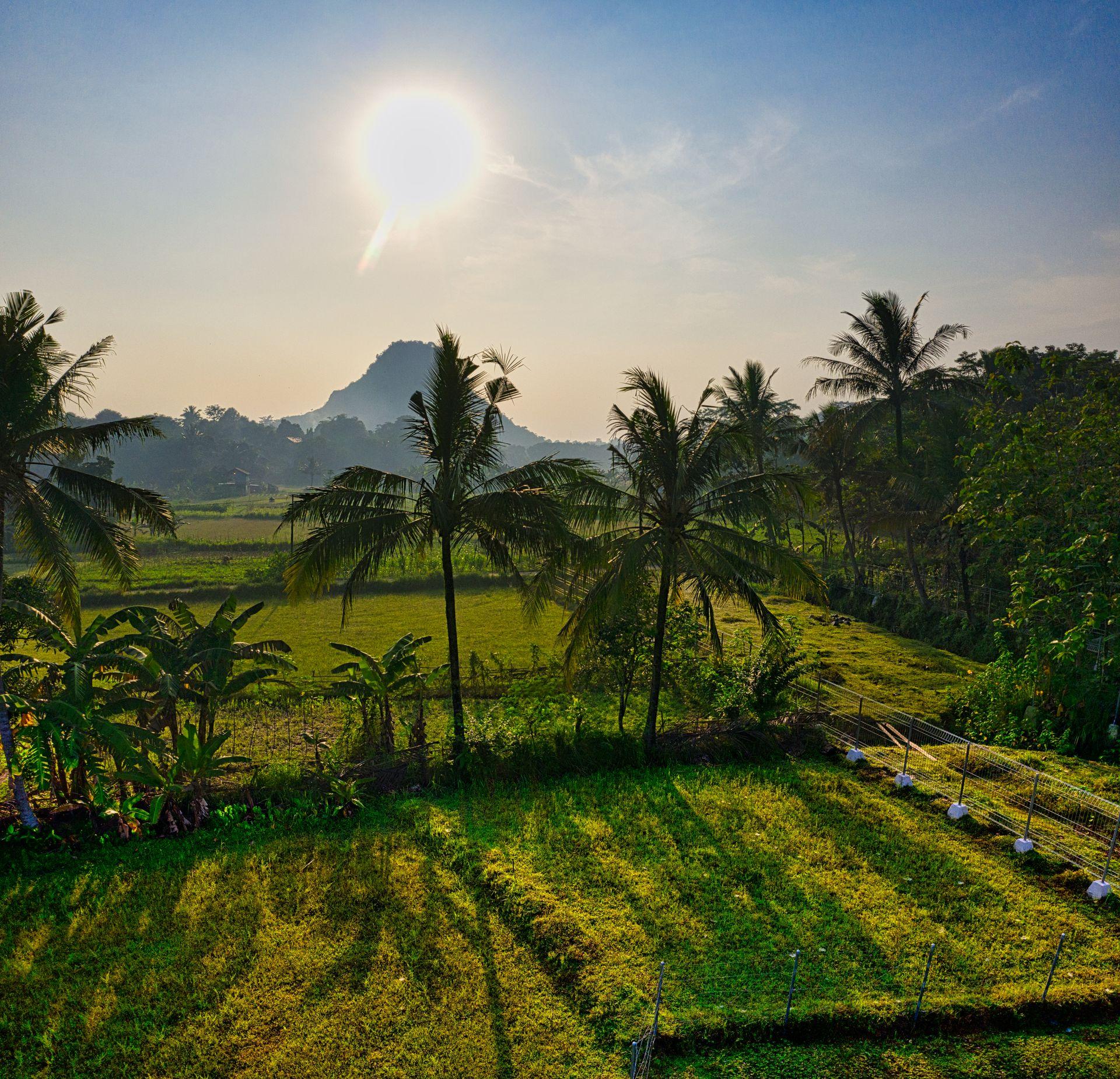
Picture waking up in a small villa in Ubud with a window facing out over green rice terraces and the faint sound of gamelan drifting from a temple at the end of the lane. Or enjoying a morning coffee on a terrace overlooking the sea in Sanur, watching fishermen pull in nets as the sun rises over the eastern horizon. That is not a scene from a film or a travel novel. It is the daily reality available to anyone who chooses retirement life in Bali with the right preparation in place.
Why Bali Retirement Life in Bali Has Become Such a Popular
The first and most frequently cited reason is cost of living. Compared to popular retirement destinations in Australia, Europe, or North America, the cost of living in Bali can run three to four times lower for the same or higher standard of comfort. A one or two bedroom villa with a private pool and maintained garden in Ubud or Sanur is available at a fraction of what a modest apartment would cost in Sydney or London. Quality food, whether from restaurants or traditional markets, is available at very accessible prices. Healthcare costs at the international private clinics and hospitals operating in Bali are also significantly lower than Western standards, while the quality is already well suited to routine health needs.
Climate is the second factor that cannot be overlooked. Bali maintains an average temperature of 27 to 32 degrees Celsius throughout the year, warm and stable without the long, punishing winters that must be endured in four-season countries. For retirees who have spent decades working in demanding climates, the ease of Bali's consistent tropical warmth is a form of comfort whose value cannot be measured in financial terms alone.
The size and organisation of the expat community is also a significant factor. In areas like Sanur, Seminyak, Canggu, and Ubud, thousands of foreign nationals who have already chosen retirement life in Bali have built a very active social network. Sports clubs, art groups, gardening communities, hiking groups, and informal social gatherings that meet regularly are all available and easy to join. The sense of isolation or loneliness that sometimes concerns retirees moving to a foreign country is rarely an issue in Bali because the community is consistently inclusive and open to newcomers.
What Daily Life Actually Looks Like
One of the most practical questions from those seriously considering retirement life in Bali concerns what everyday existence there actually involves. The answer depends significantly on which area is chosen, as Bali offers very different atmospheres from one neighbourhood to the next.
Sanur is the area most frequently recommended for retirees, particularly those seeking a balance between peace and access to full facilities. Its beach has fine sand and very calm water protected by an offshore reef, its promenade is long and very comfortable for morning walks or cycling, and the range of restaurants and cafes along its main road is genuinely diverse. The expat community in Sanur is well established and has a strong reputation for being welcoming.
Ubud offers a different experience, one more centred on spirituality, art, and natural surroundings. For retirees seeking quiet and a deeper connection with culture and the natural environment, Ubud is a very strong choice. Yoga and meditation classes are available on almost every street, art galleries and cultural performances run nearly every day, and the air is noticeably fresher given its position in Bali's central highlands.
Canggu and Seminyak suit retirees who remain active and want to stay connected to a more dynamic social life. Both areas offer a wide range of entertainment, dining, and lifestyle options, with a community that blends expats, digital nomads, and long-term visitors in a way that keeps the social energy consistently alive.
On the healthcare front, Bali now has several international hospitals and private clinics serving foreign residents to a standard that is well suited to routine and emergency care. For more complex medical procedures, Singapore or Australia remain the preferred destinations, but for everyday health needs the facilities available in Bali are thoroughly adequate.
The Retirement KITAS, the Legal Foundation for Retirement Life in Bali
All the comfort and beauty of retirement life in Bali can only be fully enjoyed when the legal basis for staying in Indonesia is properly in place. This is where the Retirement KITAS, known as the E33F visa, becomes critically important. This permit is specifically designed for foreign nationals aged 55 and above who wish to settle in Indonesia long term, with a one-year validity that can be renewed repeatedly. Requirements include proof of sufficient pension funds or savings, health insurance valid in Indonesia, and several supporting documents.
Navigating the Retirement KITAS process alone without proper guidance can feel complicated, but with the right support it is far more straightforward than it appears. The Visaloka team has the experience to help foreign retirees complete the entire process from start to finish through visaloka.com, so you can begin this new chapter of your life in Bali on a proper legal footing and with complete peace of mind.