Most people planning a trip to Lombok picture quiet beaches, surf breaks that feel almost private, or the towering silhouette of Mount Rinjani in the distance. Those images are reason enough to come. But there is something most travellers never think to look for: this island sits at one of the most unusual points in the history of world biogeography, and the Lombok wildlife shaped by that position is far richer than most people ever realise.
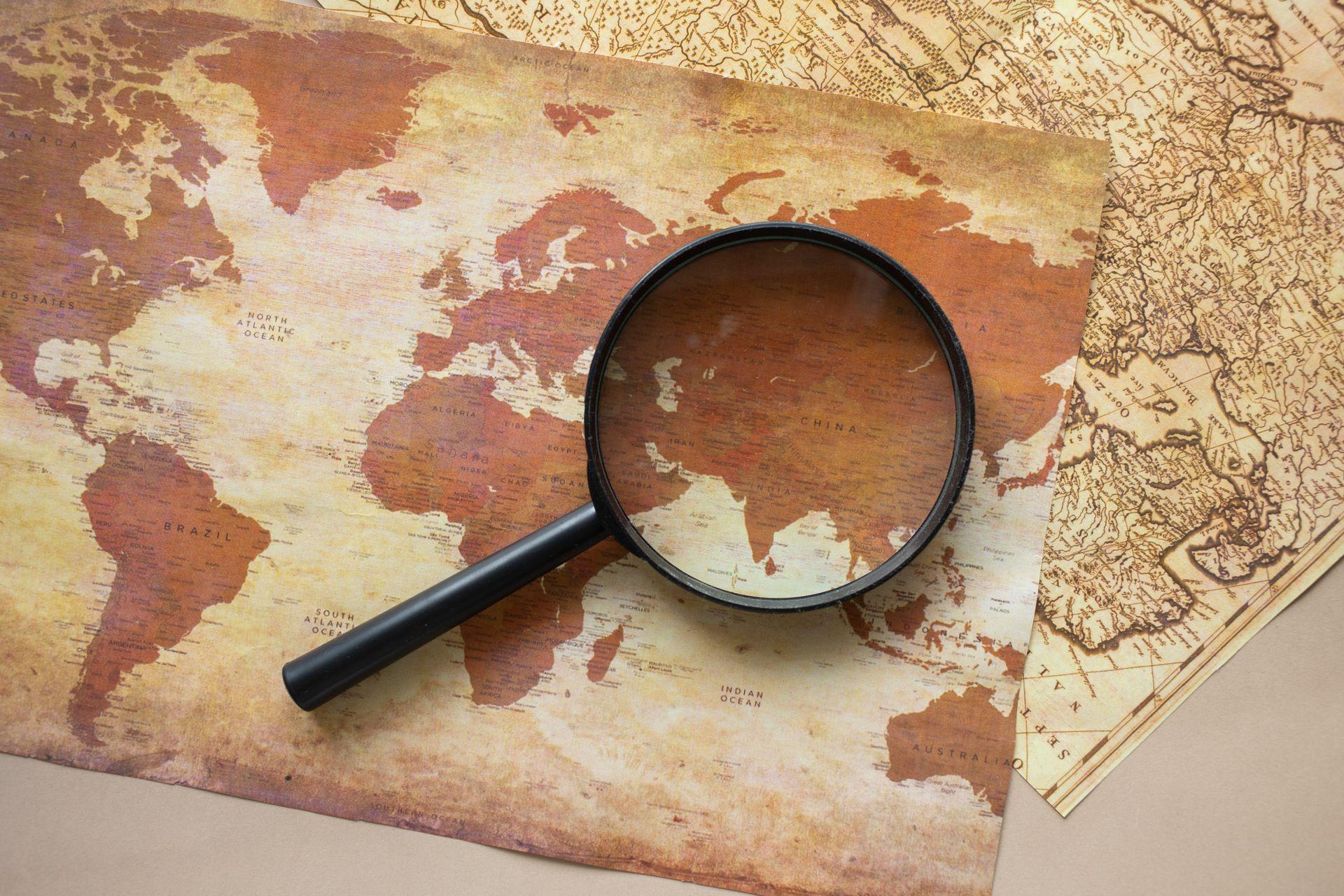
Lombok sits directly on the Wallace Line, the biogeographic boundary separating two very different ecological worlds. West of this line, wildlife still carries strong Asian character, with dense forest and species closely related to those found in Java or Sumatra. East of it, an Australasian influence begins to take over, drier and more open, with sweeping savannah and animals distantly related to Australian fauna. Lombok stands right at the meeting point of these two great worlds, creating a rare natural transition zone where two distinct evolutionary paths intersect, sometimes adapting alongside one another within a single shared ecosystem.
The Creatures That Make Lombok Genuinely Unusual
One of the most striking parts of Lombok wildlife is its birdlife. The island is home to more than a hundred bird species, some of which cannot be found anywhere else. The yellow-crested cockatoo, one of the most sought-after sightings for international birdwatchers, still survives in Lombok's protected forest areas, though its population remains closely monitored due to its vulnerable conservation status. Its piercing call often gives away its presence among the canopy long before it is actually seen.
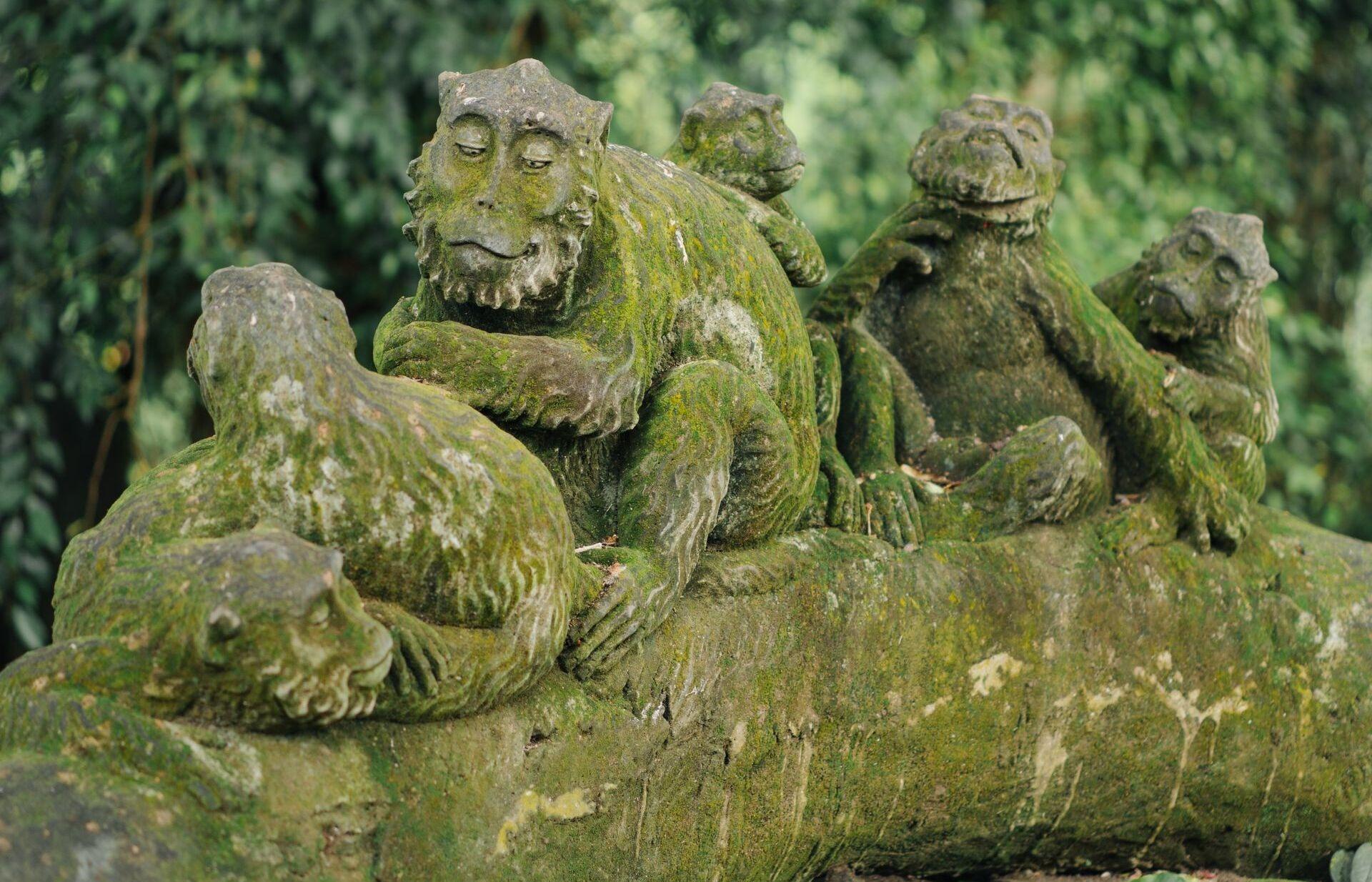
Within the forested zones of Gunung Rinjani National Park, long-tailed macaques live in large groups and are frequently spotted interacting with visitors along the lower trekking trails. Further into the more remote terrain, Timor deer can still be seen roaming the open savannah, a sight that reflects how deeply the Australasian ecological influence has reached this far west.
The waters surrounding Lombok hold treasures of their own. The seas around Gili Trawangan, Gili Air, and Gili Meno support surviving populations of green sea turtles and hawksbill turtles, with several active conservation points working to protect eggs and hatchlings from natural predators and human disturbance alike. The coral reefs in this area also shelter hundreds of tropical fish species, making snorkelling and diving around the Gilis one of the best ways to witness firsthand a part of Lombok wildlife that remains hidden beneath the surface.
Southern Lombok, particularly the drier hill country leading toward Selong Belanak and Mawun beaches, is also home to a number of unusual reptile species, including lizards and snakes that have adapted specifically to the drier conditions found in this part of the island compared to the north.
The Forests and Plant Life Shaping the Landscape
It is not only the animals that deserve attention. The plant life across Lombok is equally worth exploring. The slopes of Mount Rinjani shift dramatically through several vegetation zones as elevation increases, from dense tropical rainforest at the base, to moss-covered montane forest at mid elevation, to sparser and hardier subalpine vegetation closer to the summit.
Several wild orchid species that grow only in specific pockets of Lombok have drawn the attention of botanists and rare plant enthusiasts from around the world. The forests surrounding Sembalun and Senaru, the two most popular starting points for the Rinjani trek, are home to a range of endemic tree species that play a significant role in maintaining the ecological balance of the national park.
The savannah stretching across eastern Lombok, particularly around Sembalun, is one of the island's most distinctive landscapes and a direct reflection of Australasian influence on this part of the world. Wide open grassland scattered with sparse trees provides crucial habitat for insects and birds dependent on open ecosystems, while also serving as one of the most photographed backdrops along the Sembalun trekking route.
Witnessing It Firsthand Before It Disappears
Much of Lombok wildlife is becoming increasingly vulnerable due to changing land use and growing tourism pressure. That is exactly what makes experiencing it firsthand, responsibly and alongside local guides who understand the conservation areas, something that grows more valuable with every passing year.
For international travellers planning to explore this lesser-known natural side of Lombok, whether trekking through conservation trails, diving around the Gilis, or simply spending more time getting to know the island's biodiversity, making sure travel documents are sorted is a step that should never be overlooked. The Visaloka team is ready to help you handle your Indonesian visa needs quickly at visaloka.com, so your time and energy can go entirely toward exploring the natural richness hidden behind Lombok's more famous beaches.