mmering beside a cart, steam rising from a bamboo basket. Noodles, meatballs, dumplings and fried rolls feel so ordinary here that many locals never stop to ask where they came from. Yet popular traditional Chinese food in Indonesia has a long story, carried over by traders and settlers who arrived at the archipelago’s ports centuries ago and reshaped their recipes around local ingredients.
How Chinese Kitchens Found a Home in the Archipelago
Trade between China and the islands that now make up Indonesia goes back a very long way. Settlers, many from Fujian and Guangdong, brought eating habits, cooking techniques and staples such as tofu, soy sauce and noodles. Plenty of everyday food words still carry the sound of Hokkien and Cantonese. The prefix bak in bakmi and bakso is linked to a Hokkien word for pork, even though the versions sold across Indonesia today usually use chicken or beef.
What makes the story interesting is that these dishes never stayed frozen. In the hands of the Peranakan community, recipes kept changing. Semarang’s lumpia, a fried or fresh roll, is filled with bamboo shoots, shrimp or chicken and served with a thick, sweet and savory sauce that tastes distinctly Javanese. Bandung-style siomay arrives with potato, tofu and peanut sauce, a pairing you would be unlikely to find among dim sum in Guangzhou. Capcay, whose name comes from a Hokkien phrase for mixed vegetables, is now often served in a thick gravy with meatballs or seafood. The result is cooking that is hard to call fully Chinese or fully Indonesian.
The food also follows the calendar. Some popular traditional Chinese food in Indonesia appears only at certain moments of the year. During Lunar New Year, sticky sweet kue keranjang sits on the table as a wish for rising fortune. On Cap Go Meh, the fifteenth day of the first lunar month, some Peranakan families serve lontong cap go meh, a plate that combines rice cakes, chicken in coconut milk and Chinese-style side dishes, showing how porous the line between two cultures can be. Around the Dragon Boat Festival, bakcang, sticky rice with savory filling wrapped in bamboo leaves and steamed, is still made in a number of cities.
Popular Traditional Chinese Food in Indonesia Worth Ordering First
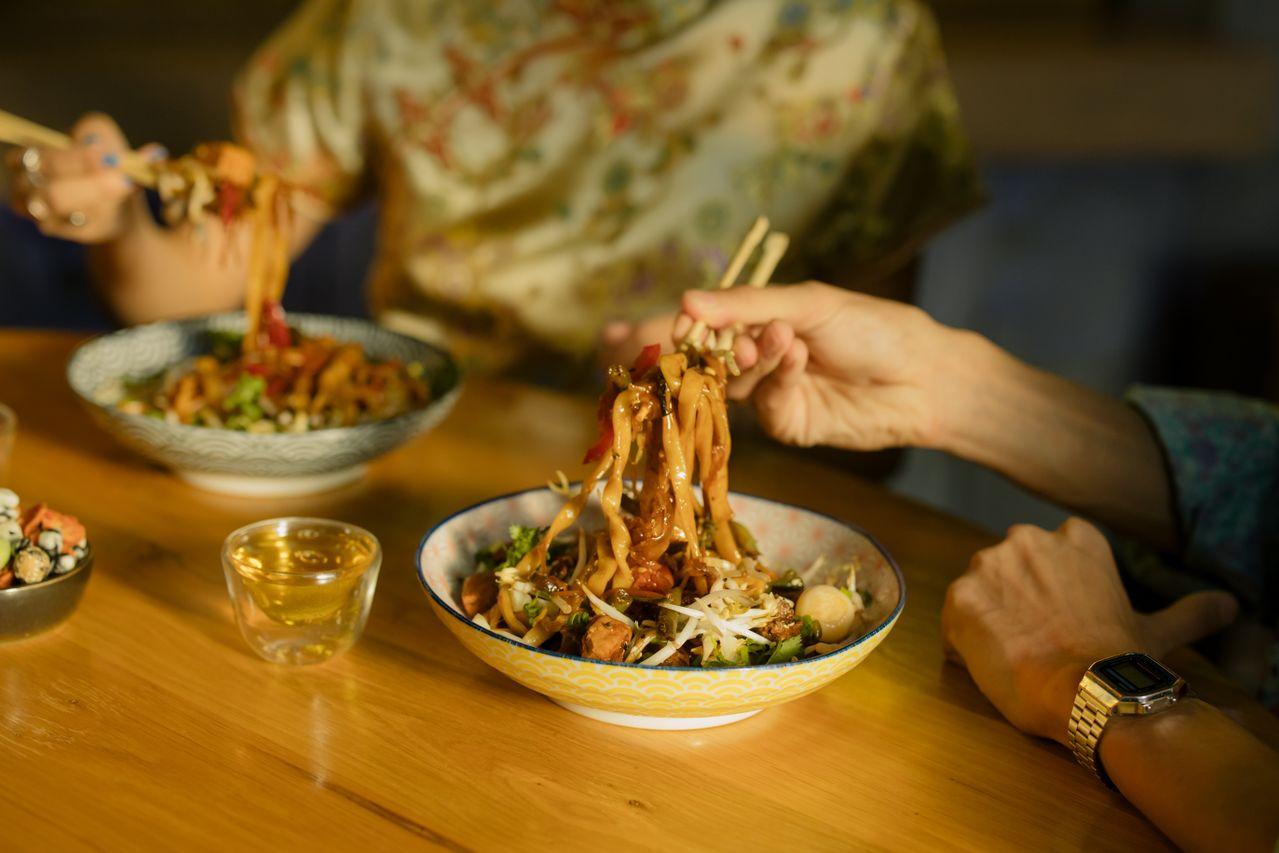
Start with noodles. Bakmi and mie ayam are the easiest way in, chewy noodles topped with soy-seasoned chicken and often paired with boiled or fried wontons, sold everywhere from street carts to family restaurants that have been open for decades. Each region has its own style. Bakmi in Medan, Pontianak, Jakarta and Bangka differs in texture, broth and seasoning, so tasting it in more than one city feels like trying a new dish each time.
Bakso may be the clearest case of adaptation. The broth-bathed meatball is believed to have roots in Chinese cooking, yet in Indonesia it became a cart-side staple found in nearly every town, served with noodles, tofu, chili sauce and sweet soy sauce. Its mild flavor makes it an easy choice for newcomers. For something lighter, siomay, wontons and warm bakpao are good options, especially bakpao filled with mung bean or chocolate for anyone not yet used to strong savory flavors.
For stir-fried dishes, kwetiau goreng, capcay and Chinese-style fried rice deserve a place on the list. The high flame in a restaurant kitchen gives them a faint smoky edge that Cantonese cooks call wok hei, a flavor that is hard to copy at home. Order several small plates and share them across the table, because eating together is part of the culture that traveled along with the recipes.
One practical point is the ingredients. Traditional Chinese cooking often uses pork, while many vendors in Indonesia swap it for chicken or beef and display a halal label. Muslim travelers, and anyone who avoids pork, should ask the seller or check the label before ordering, especially at Peranakan-style restaurants or in Chinatown districts. Asking is perfectly normal, so there is no need to hesitate.
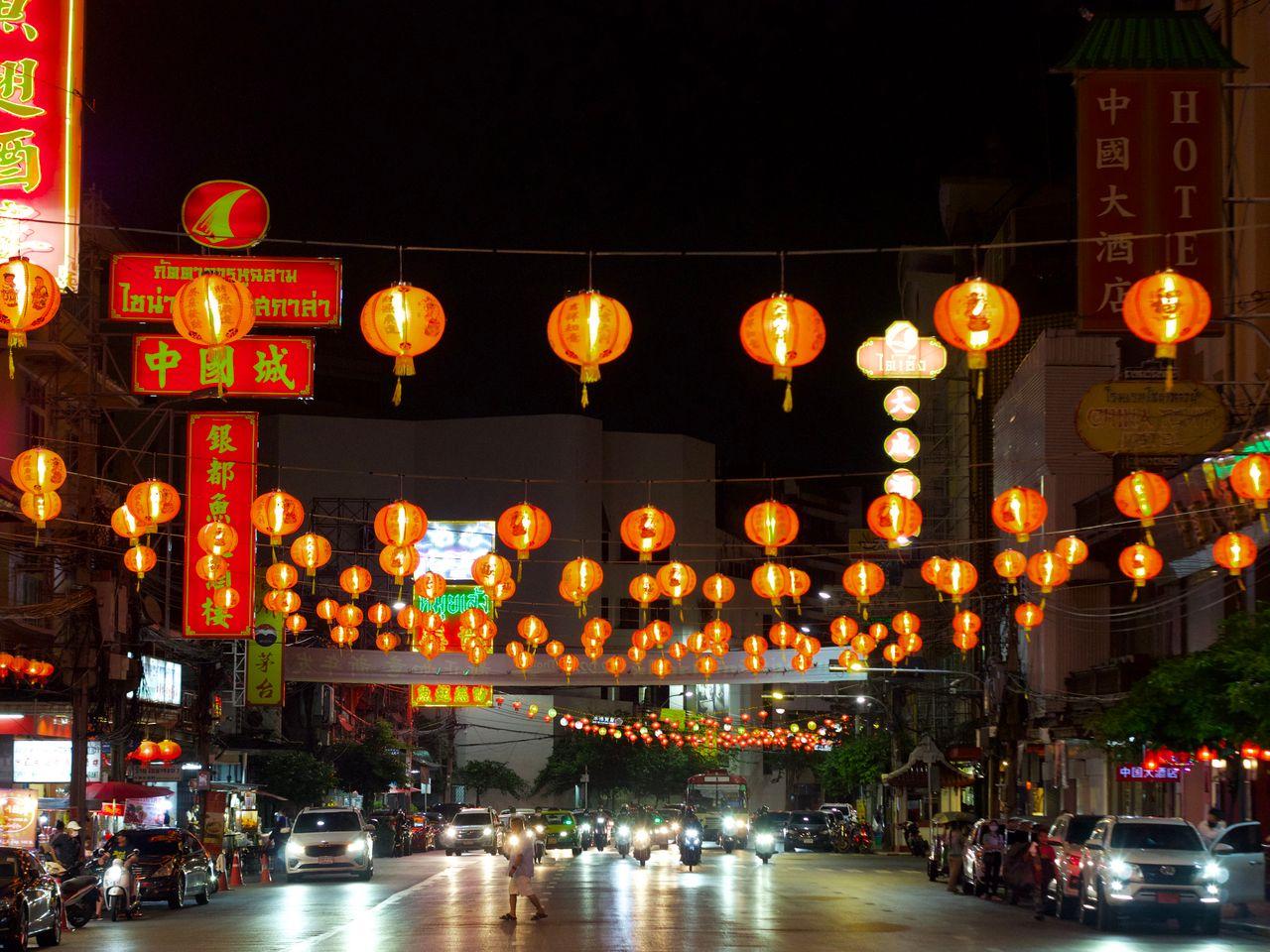
For hunting, long-established Chinatown districts such as Glodok in Jakarta, Semarang’s Pecinan and Kembang Jepun in Surabaya are practical starting points. Walking through them in the late afternoon lets you sample several small dishes without changing transport. Opening hours and menus can differ from stall to stall, especially around major celebrations, so it is worth asking first.
If a food trip is on your list, the paperwork does not have to be the hard part. For travelers from eligible countries, a Visa on Arrival can be arranged through visaloka.com for IDR 550,000, with a passport as the main requirement, which leaves more time for noodles than for forms. Travelers planning a longer stay to visit family or friends can look at the C1 Social/Family Visit visa, which Visaloka also handles.
If you only have one day, begin with a bowl of bakmi at an old family stall, follow it with lumpia or siomay, and finish with a warm bakpao. Those three or four dishes are enough to see how popular traditional Chinese food in Indonesia grew into part of everyday life rather than staying a menu for holidays alone.From bakpao to lumpia, discover popular traditional Chinese food in Indonesia and the stories behind each dish.