
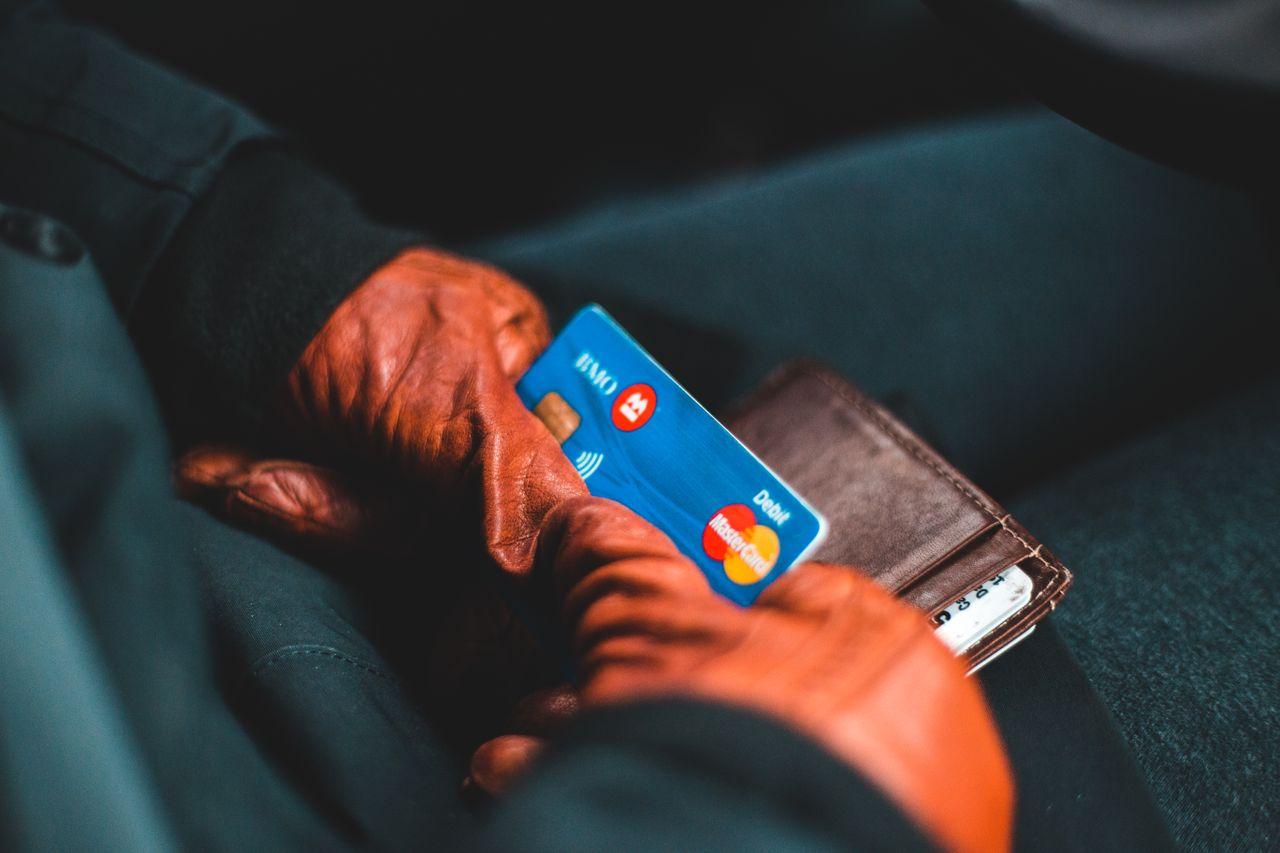
A wallet slipped out of a pocket at a night market or a phone left on the seat of a ride-hailing car rarely appears in anyone’s travel plan, yet it can happen to anybody. In a country where you may not speak the language, panic tends to arrive faster than an idea of where to begin. The good news is that dealing with lost belongings in Indonesia follows a fairly clear order, and most of the first steps can be started from your hotel room.
First Moves When a Wallet, Phone or Passport Goes Missing
Before deciding that something is truly gone, retrace your steps. Check your bag, jacket pockets, room and the trunk of any vehicle you used. Ask the hotel reception, your driver or the restaurant where you were last, because left-behind items are often kept by staff. If the loss happened at an airport, a station or on public transport, contact the operator. For a phone, try to locate and lock it through built-in tools such as Find My or Find Hub, and note down the IMEI number printed on the box or shown in your device account.
If bank cards went missing too, block them right away through the bank’s app or customer service line, without waiting for the police process to finish. Your SIM card should also be deactivated through the operator so it cannot be misused, especially if your phone receives banking verification codes.
Next, go to the nearest police station and file a report. The police report is the key document, since embassies, immigration offices and insurers generally ask for it. Prepare a short account of what happened, the approximate time and the place, and bring your passport or a copy if you have one. If language is a barrier, ask hotel staff for help or contact your embassy so someone can help explain. Make sure you leave with a copy of the report, and photograph or scan it straight away. The police emergency number in Indonesia is 110.
If a passport is missing, contact your country’s embassy or consulate. Many foreign missions are based in Jakarta, so find out which office handles citizens who are in Bali or another city. They generally ask for a police report, passport photos, an application form and a fee, then issue an emergency travel document with short validity. Some embassies require you to apply in person, and the type of document you receive can differ from country to country. Processing often takes from one to a few working days, so mention your flight date at the start.
The last piece is Indonesian immigration. Your embassy issues your travel document, but your permission to stay and your exit from Indonesia are a separate matter. Some countries advise that an exit permit is required from the immigration office, for example at the departure airport, and suggest arriving several hours before your flight. Because rules can change and may differ by nationality, confirm the document requirements with your embassy and the immigration office well before your departure day.
If your visa or stay stamp disappeared along with the passport, do not wait until the last minute. A return date that slips because of paperwork sometimes means your length of stay needs adjusting. In that situation you can ask the Visaloka team at visaloka.com about options such as a Visa on Arrival at IDR 550,000 or the C1 Social/Family Visit, while still confirming your stay status with immigration. It matters because lost belongings in Indonesia can occasionally turn into a longer change of plans than expected.
How to Prepare Before Lost Belongings in Indonesia Become Your Problem
The cheapest preparation is a copy. Before you leave home, photograph your passport identity page, visa, tickets, bank cards and insurance policy, then store them in cloud storage or email them to yourself. Keep one printed copy in a different bag from your actual passport. If the passport is lost, these copies speed up the forms at the embassy and the police station.
Travel insurance is worth considering. Many policies cover lost items, document replacement costs or schedule changes caused by an incident, but terms differ. Read the per-item limits and the documents required for a claim. A police report is usually the main requirement, so keep a copy together with receipts and proof of related expenses.
As for what you carry, split cash and cards across several places rather than keeping everything in one wallet. In crowds such as markets, concerts or popular attractions, use a bag that closes securely and carry it in front of you. Avoid leaving your phone on a cafe table or the dashboard of a rental vehicle. Lock your phone screen and turn on tracking before the trip begins, because those features can only help if they were active from the start.
Also store your embassy’s contact number, your accommodation address and your bank’s customer service number somewhere you can reach without your main phone. In the end, dealing with lost belongings in Indonesia is stressful but the sequence is easy to remember: search, block cards, report to the police, contact your embassy if a passport is gone, then handle immigration and the insurance claim. With your document copies stored neatly, most of those steps will go much faster.