Whenever a foreign traveler packs a suitcase at the end of a holiday, there is one item that is hard to leave behind, a length of batik cloth. Light, easy to fold, and carrying the story of where it came from, batik souvenirs in Indonesia hold an appeal that fridge magnets and keychains never quite match. Batik has also been recognized by UNESCO as intangible cultural heritage since 2009, and every 2 October Indonesia marks National Batik Day.
The catch is that not every cloth with a batik pattern is made the same way. In a busy market, a piece priced at a few tens of thousands of rupiah can look a lot like one that took weeks of handwork, even though their value is very different. A little knowledge before bargaining makes the shopping budget go further, and the souvenir that comes home truly represents the tradition it claims to.
Choosing Batik Souvenirs in Indonesia by How They Are Made
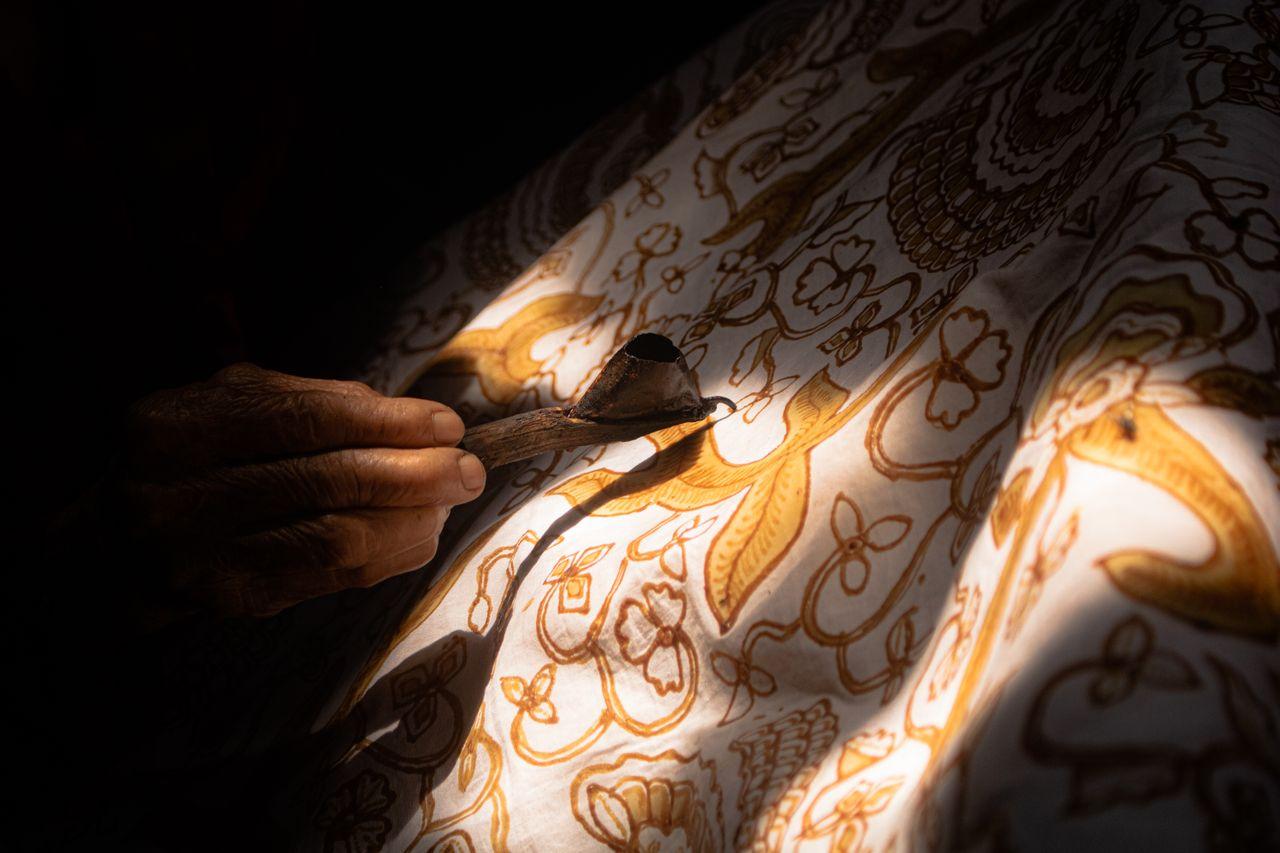
Four types turn up most often for visitors. Hand drawn batik, known as batik tulis, is made by drawing hot wax onto cloth with a canting, then dyeing the cloth and repeating the process as many times as the colors require. Because it is done entirely by hand, it takes the longest and costs the most. Stamped batik, or batik cap, uses a copper stamp in place of the canting, so a cloth can be finished in roughly two to three days. Combination batik blends the two, with the stamp for large motifs and the canting for fine details, giving good quality at a price between hand drawn and stamped.
The fourth type, printed batik, is made by machine without wax or canting. It is the cheapest and often brighter in color, but this kind of fabric is commonly classed as batik patterned textile. That does not mean printed cloth should never be bought, as long as the seller is honest about what it is and the price is fair.
The easiest way to tell them apart is to flip the cloth and look at the reverse side. On hand drawn batik, the dye soaks through, so the back looks almost as clear as the front. On printed fabric, the color usually sits on one side and the back looks paler. Look at the pattern too. Motifs that repeat in exactly the same shape are usually stamped or printed, while hand drawn batik carries small imperfections that are a sign of the human hand.
Styles also differ by region, so the choice of batik souvenirs in Indonesia can be matched to the taste of whoever receives them. The royal court batik of Yogyakarta and Solo is known for sogan tones, a blend of brown, cream, and deep blue, with classic motifs such as parang and kawung. Coastal batik from Pekalongan and Cirebon tends to be brighter and freer, and Cirebon’s megamendung is known for its layered cloud design.
Where to Shop and How to Care for the Cloth
For shopping, Yogyakarta and Solo are the two cities most often visited. At Beringharjo Market in Yogyakarta, the ground floor is packed with batik sellers offering everything from hand drawn to stamped cloth, and bargaining is still normal practice. In Solo, Klewer Market is known as a textile market with a huge range of batik. Both suit anyone who enjoys hunting and comparing prices. For a calmer atmosphere with fixed prices, batik shops and galleries usually put up price tags and are willing to explain how their cloth is made.
On price, at traditional markets a simple stamped batik can be found in the range of tens of thousands of rupiah, while hand drawn batik usually starts at several hundred thousand rupiah and rises with fineness and size. That is why a cloth called hand drawn batik at a very low price deserves a follow up question. Ask directly what type it is, ask to see the back of the cloth, and do not hesitate to compare across several stalls before deciding. In Bali, batik is generally brought in from Java, while the island’s own cloths are endek and songket, so for batik with a clear origin, buying directly where it is made feels more fitting.
A serious batik hunt rarely finishes in a day. Many travelers set aside several days to tour Yogyakarta and Solo, and even join a short batik making class. For a plan like that, a VOA with a 30 day stay can be applied for online through Visaloka before departure, and if the trip around Java runs longer, a C1 visa of up to 60 days is another option, so shopping time is not cut short by paperwork.
Once the cloth moves into the suitcase, care decides how long the colors last. Wash it separately the first time because the dye can run. Use cold water and mild detergent, avoid bleach, do not wring it hard, and dry it in the shade so the colors do not fade quickly. Iron from the reverse side at medium heat. Handled this way, batik souvenirs in Indonesia can stay with their owners for many years.
In the end, good batik souvenirs in Indonesia are the ones whose type is clear and whose purpose fits the person receiving them, not simply the most expensive. An honestly sold stamped batik can satisfy more than printed fabric labeled as hand drawn, and a hand drawn piece from an artisan willing to tell its story will always carry more value once it hangs at home.